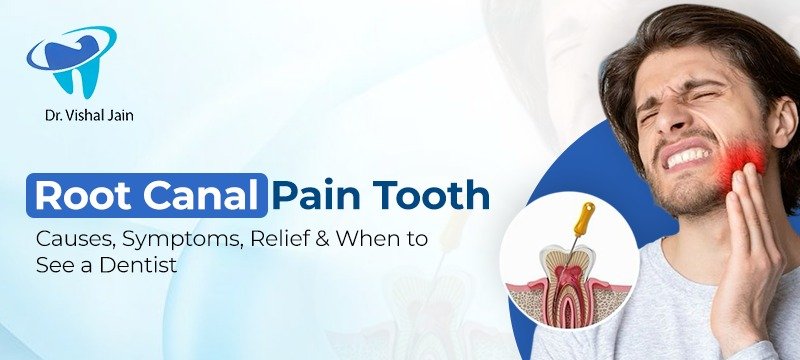
Do you have a root canal that was done recently but you still have pain in your tooth? Or have you decided to take one and are you anxious about the pain? You are not alone. Many individuals search for solutions to Root Canal Pain Tooth because they are either confused or frightened.
A root canal is carried out to eliminate infection and prevent severe pain in the teeth. When pain occurs after the treatment, it may feel stressful. You may begin to think that something has gone wrong, especially when dealing with Root Canal Pain Tooth.
The truth is simple. Some post root canal pain is normal. However, if pain continues, then there might be a problem that needs to be addressed.
In this guide, you will read about:
- What a root canal really is
- Normal or abnormal root canal pain
- Reasons why Root Canal Pain Tooth can continue after treatment
- How to relieve pain safely
- When you should visit your dentist
Everything is explained in simple language so that you clearly understand what is happening with your tooth and Root Canal Pain Tooth concerns.
Root Canal Treatment – What Is a Root Canal?
Root Canal Procedure: An Overview
The pulp is a soft tissue found inside every tooth. It contains nerves and blood vessels. When this pulp becomes infected due to deep decay, cracks, or injury, it can cause severe pain and lead to Root Canal Pain Tooth situations.
A root canal treatment involves:
- Removing the infected pulp
- Cleaning the inside of the tooth
- Disinfecting the area
- Filling and sealing the tooth
After cleaning, the dentist usually places a crown on the tooth.
The main purpose of a root canal is simple: it saves your natural tooth and removes infection so that pain, including Root Canal Pain Tooth, goes away.
Does a Root Canal Hurt?
Many people worry that a root canal is very painful. In reality, modern root canal procedures are done using local anesthesia, which means your tooth is numb during the treatment.
You may feel:
- Slight pressure
- Mild discomfort
But the treatment should not cause sharp pain.
Most patients say the pain before the root canal is worse than the procedure itself, compared to Root Canal Pain Tooth concerns.
Root Canal Post-Treatment Tooth Pain: Is This Normal?
Yes, pain after a root canal is common. Your tooth and surrounding tissues need time to heal after Root Canal Pain Tooth treatment.
How Much Pain Is Normal?
After treatment, you may experience:
- Mild soreness
- Tenderness when chewing
- Slight swelling
- Sensitivity in the treated area
This pain can usually be managed with over-the-counter pain medication.
How Long Does Root Canal Pain Tooth Last?
In most cases:
- Mild pain lasts 3 to 7 days
- Discomfort while biting may last up to 2 weeks
The pain should gradually decrease each day. If it becomes worse instead of improving, you should contact your dentist or consult a dentist in alwar about Root Canal Pain Tooth.
Why Do I Still Have Tooth Pain After My Root Canal?
If your Root Canal Pain Tooth continues for a longer time, there may be specific reasons behind it.
Common Causes of Persistent Root Canal Pain Tooth
1. Tissue Inflammation
The tissues around the tooth may remain inflamed even after the infection is removed.
This can cause:
- Pain when chewing
- Sensitivity to pressure
This usually improves with time.
2. Missed Canals
Some teeth have more than one canal. If a small canal is missed during treatment, infection can continue and lead to Root Canal Pain Tooth.
This may cause:
- Ongoing pain
- Swelling
- Return of infection
3. Reinfection of the Tooth
Bacteria can enter the tooth again if:
- The filling is damaged
- The crown becomes loose
- The tooth cracks
Pain may return even months or years later as Root Canal Pain Tooth.
4. Cracked Tooth or Crown
A crack in the tooth or crown can cause pain when biting.
You may notice:
- Sharp pain when chewing
- Pain that comes and goes
5. Microfractures
Very small cracks in the tooth may not be visible but can still cause Root Canal Pain Tooth when biting.
6. Structural Damage
If there is not enough healthy tooth structure, the tooth may become weak and painful.
7. High Bite (Occlusion Issue)
After a root canal or crown, your bite may feel uneven.
If the treated tooth is slightly higher than others, it can take more pressure while chewing, causing:
- Pain when biting
- Jaw soreness
This can be corrected easily by your dentist.
Pain Years Later – Root Canal Failure
Yes, Root Canal Pain Tooth can return even years later due to:
- New decay
- Broken crown
- Reinfection
- Hidden cracks
If pain develops after a long time, you should visit your dentist.
Signs Your Root Canal Pain Tooth Is Serious
Not all pain is normal. Some symptoms mean you need immediate dental care.
Serious signs include:
- Severe throbbing pain
- Swelling in the face or gums
- Pus discharge
- Fever
- Bad taste in the mouth
- Pain that affects sleep
These signs may indicate that infection is still present behind Root Canal Pain Tooth.
Red Flags You Should Not Ignore
Contact your dentist immediately if you notice:
- Increasing swelling
- Difficulty opening your mouth
- Trouble swallowing
- Persistent numbness
- Pain lasting more than two weeks
These symptoms may require urgent treatment for Root Canal Pain Tooth.
Root Canal Pain Tooth: Home Remedies
If the pain is mild, you can manage it at home while healing from Root Canal Pain Tooth.
Safe Home Remedies
- Take prescribed or over-the-counter pain medication
- Apply a cold compress on the cheek for 10–15 minutes
- Eat soft foods
- Avoid chewing on the treated side
- Maintain good oral hygiene
- Rinse with warm salt water
These steps can help reduce discomfort.
What NOT to Do
Avoid these common mistakes:
- Do not chew hard food on the treated tooth
- Do not skip prescribed medication
- Do not ignore worsening pain
- Do not apply heat if swelling is present
- Do not try remedies not recommended by your dentist
Poor care may slow down healing.
Treatment for Persistent Root Canal Pain Tooth
If the pain does not go away, your dentist may suggest further treatment.
Possible Treatments
- Bite adjustment
- Root canal retreatment
- Antibiotics (if infection is present)
- Crown replacement
- Apicoectomy (minor surgery at the root tip)
- Tooth extraction (in rare cases)
Most problems can be treated successfully if addressed early.
Prevention of Root Canal Pain Tooth in the Future
Proper oral care helps prevent future Root Canal Pain Tooth.
Aftercare Tips
- Brush twice daily
- Floss regularly
- Avoid chewing hard objects like ice
- Visit your dentist regularly
- Get a proper crown after root canal
- Wear a mouthguard if you grind your teeth
Good oral hygiene helps keep bacteria away and protects your treated tooth.
Conclusion
Root Canal Pain Tooth is a common concern. Mild discomfort after treatment is normal and usually goes away within a few days. The pain should improve over time, not get worse.
If you experience pain even after months or years, or if there is swelling, do not ignore it. Ongoing Root Canal Pain Tooth may be a sign of infection, cracks, or other issues that need treatment.
The good news is that most root canal problems can be treated. Early care helps save your natural tooth.
If you are unsure about your symptoms, always consult your dentist. Proper guidance will help you stay comfortable and maintain a healthy smile.
FAQ
1. Is it normal to have Root Canal Pain Tooth after treatment?
Yes, mild pain and tenderness for a few days is normal. It should gradually improve. Severe or worsening pain is not normal.
2. Can Root Canal Pain Tooth occur years later?
Yes, pain can return due to reinfection, cracks, or crown damage. A dental check-up is needed to find the cause.
3. How do I know if my root canal has failed?
Signs include:
- Ongoing pain
- Swelling
- Pus discharge
- Bad taste
- Pain while biting
A dentist can confirm this with an examination and X-ray.
4. Are antibiotics necessary for Root Canal Pain Tooth?
Not always. Antibiotics are only prescribed when there is an active infection. Follow your dentist’s advice.
5. Why does my Root Canal Pain Tooth hurt when I bite down?
Pain while biting can occur due to:
- Inflammation
- High bite
- Cracked tooth
- Infection
A simple dental adjustment can often fix the problem.